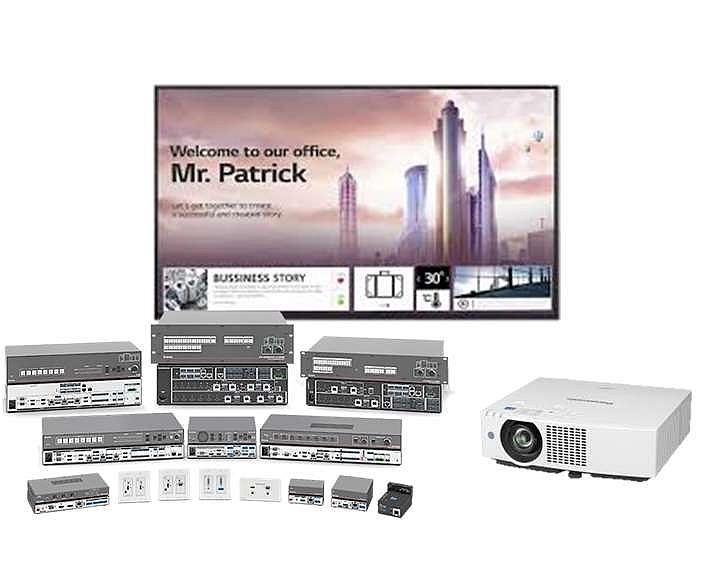
An AV integration system combines audio and visual technologies to create a seamless and effective user experience. By connecting and coordinating components like displays, sound systems, control interfaces, and software platforms, AV integration enhances communication, collaboration, and entertainment across various environments.
At its core, AV integration brings together projectors, screens, speakers, microphones, control panels, and software such as video conferencing tools and content management systems into a unified system. This integration is commonly applied in corporate boardroom, meeting rooms, classrooms, divisible room, lecture halls, and entertainment venues.
The benefits of AV integration are significant. It improves communication, fosters better collaboration, increases productivity, and keeps audiences engaged through immersive experiences. Ultimately, AV integration is about harmonizing technology to support effective interaction, learning, and enjoyment.
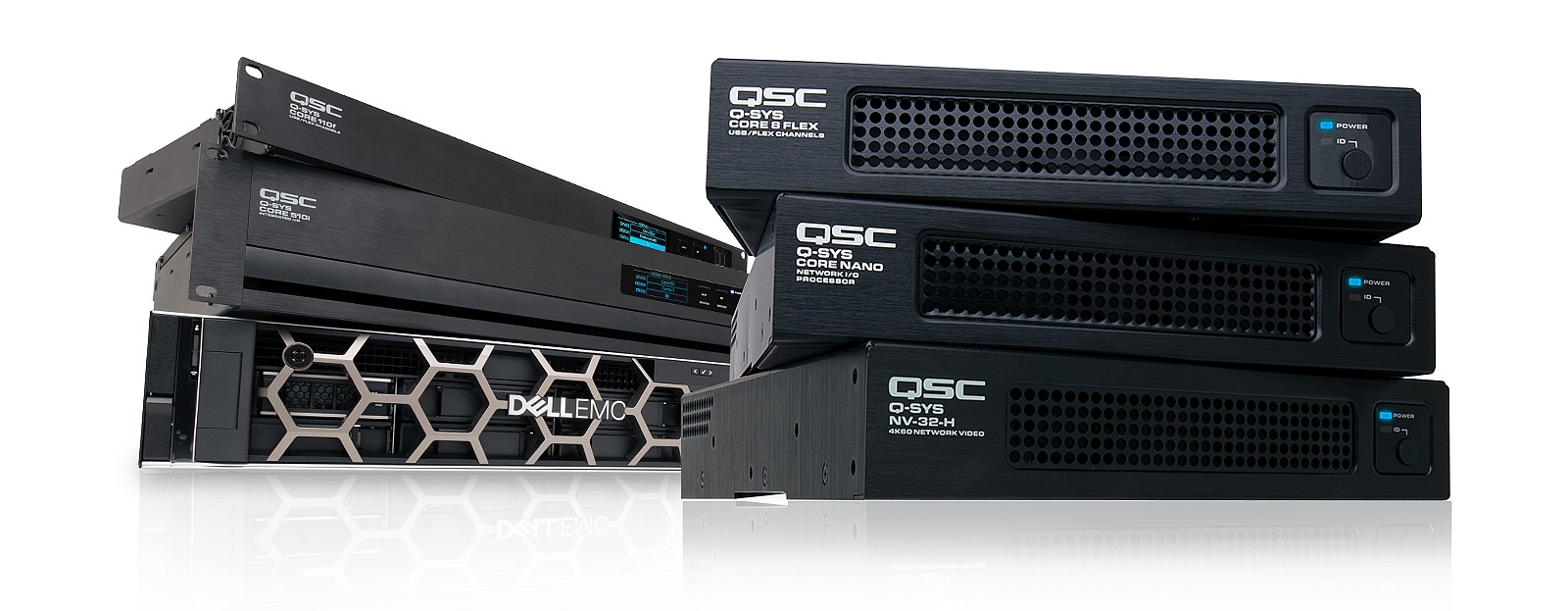
Control & Automation
In modern audiovisual (AV) systems, control and automation play a key role in making technology easier to use and manage. By bringing various components together under one interface, these systems streamline operations, enhance efficiency, and improve the user experience.
AV control systems allow users to manage equipment such as displays, projectors, audio systems, and lighting from a single platform—whether it’s a touch panel, remote control, or software application. This centralized approach eliminates the need to operate each device separately, saving time and reducing complexity.
Users can create custom scenarios tailored to specific needs—such as preparing a room for a meeting or setting the stage for a presentation. These scenarios can be triggered with a single click, ensuring consistent settings and reducing setup time.
Designed with simplicity in mind, control and automation systems are easy to use, even for people without technical expertise. Their ability to integrate with broader building management tools also provides a centralized solution for managing all connected systems in one place.
Audio System
Audio and voice communication involve using technology to capture, transmit, and play sound. This includes equipment like microphones, speakers, amplifiers, and audio mixers, along with software for video conferencing and digital signage. Combined with visual components, these audio tools create more engaging and effective communication experiences.
Microphones capture speech and sound, while speakers and amplifiers ensure clear, audible playback. Audio mixers help adjust and balance sound levels for clarity.
Voice communication is also central to video conferencing, enabling real-time interaction across locations. In digital signage and presentations, audio enhances messaging by adding spoken content or sound cues to visual displays, improving audience engagement and understanding.
HDMI Matrix & Extender or AVoIP
In modern AV systems, video matrix switchers and extenders work together to deliver flexible, high-performance signal management.
A video matrix switcher allows multiple video sources—such as laptops, media players, or cameras—to be routed to multiple displays like projectors, TVs, or video walls. This makes it easy to share content across different areas or screens, ideal for conference rooms, control centers, and event venues. Many models offer seamless switching, video wall support, and centralized control for a smooth, professional presentation experience.
Video extenders solve the challenge of distance by transmitting signals over long cable runs, making them perfect for larger spaces where source devices and displays are far apart. Using Cat 5e/6 or fiber, they maintain signal quality over extended distances, ensuring reliable performance without sacrificing image clarity.
Together, matrix switchers and extenders give integrators and end users the freedom to design AV systems that are scalable, efficient, and tailored to any environment.